

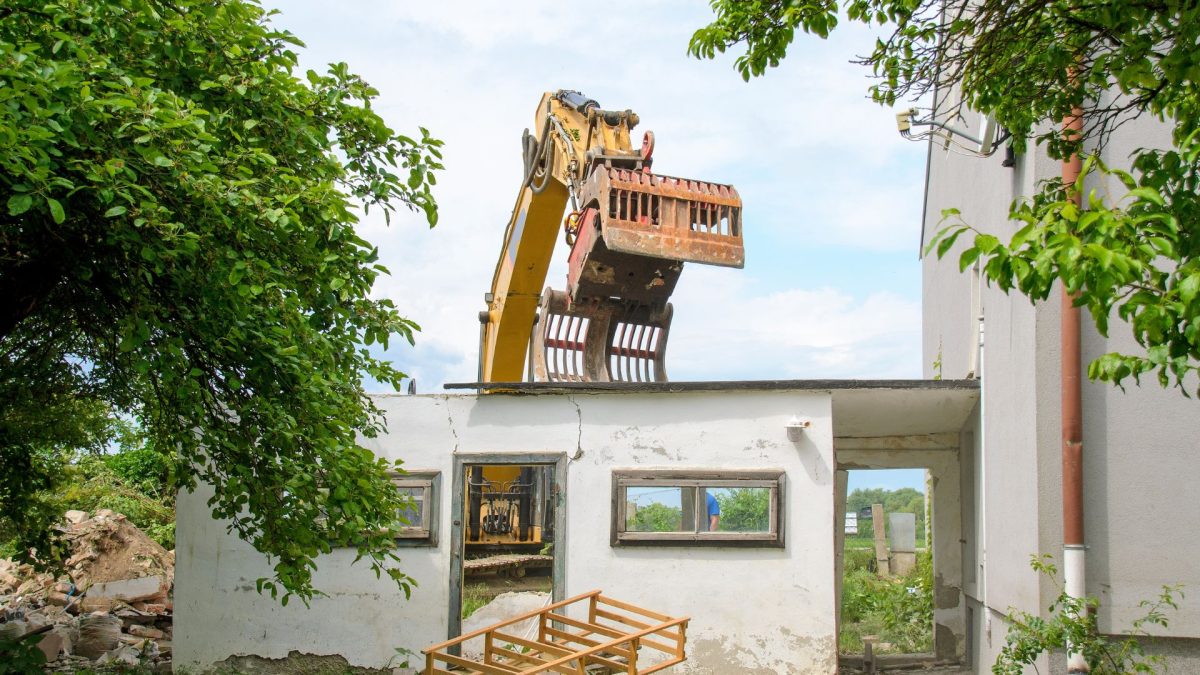
Preparing your property for shed demolition is the crucial first step in ensuring a smooth and safe process. Start by clearing the surrounding area of any obstacles, including gardening tools, furniture, or debris that could interfere with movement. Consider marking off the demolition zone to maintain a safe distance from your home or other structures. It’s essential to assess the shed’s foundation and check for uneven ground or potential hazards. Taking the time to organize your workspace not only improves efficiency but also reduces the risk of accidents during dismantling. A well-prepared site allows demolition activities to flow without unnecessary interruptions, giving you a sense of control over the project.
Once the area is cleared, it’s important to consider the impact on nearby landscaping and vegetation. Temporary protective coverings can prevent damage to flower beds, lawns, or other sensitive features. Planning for waste removal in advance helps to maintain order, ensuring that debris does not accumulate and obstruct the workspace. Take stock of the shed’s size, material, and condition to determine how the debris will be handled. Considering these factors before demolition begins provides a roadmap for the work ahead. By thoughtfully preparing your property, you set the stage for a safer, more organized shed removal process, making the eventual cleanup far more manageable and less stressful.
Understanding the Structure of Your Shed
A clear understanding of your shed’s structure is critical before you begin demolition. Each shed varies in design, from simple wooden frames to more complex constructions featuring metal or composite materials. Familiarize yourself with the layout, paying attention to key structural elements such as beams, trusses, and wall panels. Identifying the primary supports ensures that you dismantle the shed systematically rather than haphazardly, reducing the risk of uncontrolled collapses. Understanding how the shed is built allows you to plan the sequence of demolition, whether starting from the roof or the walls, which can make the process safer and more efficient.

Examining your shed for hidden attachments is equally important. Nails, screws, and brackets can present hazards if removed without proper technique. Take note of any areas that may require specialized tools or methods to safely disengage them. Observing how doors, windows, and storage components are integrated into the structure helps to anticipate potential challenges during dismantling. The more insight you gain about the shed’s makeup, the more predictable the demolition process becomes. Being thorough in this assessment minimizes surprises and ensures that each step proceeds with care, protecting both you and the surrounding property from unintended damage.
Choosing the Right Tools for Safe Demolition
Selecting the right tools for shed demolition is essential for efficiency and safety. Different materials demand different approaches, and using improper equipment can slow progress or increase risk. Hand tools like hammers, pry bars, and saws are ideal for smaller wooden structures, allowing for controlled removal of panels and supports. For larger or sturdier sheds, power tools such as reciprocating saws, drills, and angle grinders can significantly reduce manual labor while maintaining precision. Ensuring your tools are in good working condition and suitable for the materials at hand allows you to work more confidently and reduces the likelihood of accidents caused by faulty equipment.
In addition to the standard tools, personal protective equipment is a non-negotiable requirement. Gloves, safety glasses, steel-toed boots, and helmets provide critical protection against flying debris, sharp edges, and accidental impacts. Adequate lighting and stable work platforms help maintain visibility and control, especially when tackling elevated sections like roofs or walls. Planning which tools to deploy at each stage of demolition can improve workflow, prevent unnecessary strain, and maintain a safe environment. By combining the right instruments with thoughtful technique, you create a setup that balances speed, accuracy, and safety during the shed removal process.
Ensuring Safety During Shed Demolition
Safety is paramount when taking on shed demolition. Even small sheds can pose significant risks due to falling debris, unstable walls, and hidden hazards. Begin by establishing clear safety boundaries and ensure that everyone involved is aware of the plan and potential dangers. Wearing appropriate protective gear is crucial, and it’s essential to check the area for hazards like exposed nails, sharp edges, or weak flooring that could cause injury. Taking the time to secure your environment before any demolition activity minimizes risk and ensures the process proceeds as smoothly as possible.
Proper technique is equally important for maintaining safety. Avoid rushing through demolition, as hasty movements can lead to mistakes or accidents. Use controlled force when dismantling panels and supports, and pay attention to the shed’s structural integrity throughout the process. Keep a first-aid kit nearby in case of minor injuries, and ensure communication is clear if multiple people are involved. By prioritizing safety through planning, awareness, and careful execution, you can tackle the shed demolition project confidently and responsibly, protecting both yourself and the surrounding property.
Strategies for Dismantling Different Shed Materials
Sheds can be composed of a variety of materials, each requiring a tailored approach for effective removal. Wooden sheds are often easier to deconstruct with hammers, crowbars, and saws, allowing panels to be removed piece by piece. Metal sheds require more robust equipment, such as power drills and cutting tools, and often demand careful handling to avoid sharp edges that can cause injury. Understanding the specific material of your shed helps guide the choice of demolition techniques, ensuring the process is efficient and minimizes damage to surrounding areas.
Composite materials, vinyl, or fiberglass structures present unique challenges as well. These materials can splinter, crack, or bend unexpectedly, so slow, deliberate removal is key. It is essential to evaluate how panels are joined and whether fasteners like screws or adhesives are used, as this impacts the approach and tools necessary. Adjusting your technique to match the shed’s composition not only preserves safety but also makes cleanup more manageable. By adapting your strategy to the materials involved, the demolition process becomes more predictable and controlled, reducing stress and potential hazards.
Handling Waste Efficiently During Demolition
Efficient waste handling is a vital component of shed demolition. The process generates a substantial amount of debris, including wood, metal, plastic, and nails, which must be disposed of responsibly. Planning ahead for collection, transport, and disposal ensures that your worksite remains organized and prevents safety hazards caused by scattered debris. Sorting materials for recycling or reuse can also help reduce environmental impact and make the process more sustainable.
Incorporating waste management into your demolition plan reduces downtime and maintains a cleaner work environment. Use containers, tarps, or dedicated zones to temporarily store debris as you work through each section of the shed. Being systematic about waste collection prevents clutter and allows for easier loading and disposal once the project is complete. Efficient debris handling saves time and energy, allowing the demolition process to proceed with a clear focus on safety and effectiveness.
Dealing with Hidden Hazards Inside Old Sheds
Old sheds can conceal a variety of hidden hazards, including mold, asbestos, pests, and structural weaknesses. Inspecting the interior thoroughly before beginning demolition helps identify potential dangers that could compromise safety. Mold and mildew may require protective masks and careful handling to avoid exposure. Asbestos, common in older building materials, demands specialized removal procedures to prevent health risks.
Pests like insects or rodents may have made the shed their home, and structural decay can make certain areas unstable. Recognizing these risks beforehand allows for mitigation strategies, such as targeted cleaning, reinforcement, or professional assistance if needed. By addressing hidden hazards proactively, you reduce the chance of accidents and create a safer, more controlled environment for completing the demolition.
The Environmental Impact of Shed Demolition
Considering the environmental impact of shed demolition is essential for responsible property management. Large amounts of construction debris can contribute to landfill waste if not handled properly. Separating materials for recycling or repurposing reduces the ecological footprint and promotes sustainable practices. Wood, metal, and plastics often have specific recycling pathways, and understanding these options can guide more environmentally friendly disposal.
Eco-conscious demolition also includes minimizing damage to surrounding vegetation and soil. Protecting landscaping during removal preserves the natural environment and reduces additional cleanup work. Planning for environmentally responsible waste management not only aligns with best practices but also enhances the long-term value of your property. A careful approach to demolition can reduce harm to the environment while maintaining efficiency and safety on-site.
Planning for Site Cleanup After Demolition
Site cleanup is an essential step that often defines the final outcome of your shed removal project. Once the structure is dismantled, lingering debris, nails, and sharp fragments must be carefully collected to restore the property to a safe and usable condition. Thorough cleanup prevents injuries and makes the space ready for future use, whether for landscaping, construction, or recreation.
A systematic approach ensures no material is overlooked, and separating recyclables from waste can make disposal more efficient. Depending on the amount and type of debris, professional junk removal services may offer a practical solution, reducing the burden and saving time. Comprehensive cleanup marks the completion of the demolition project and leaves the property in a well-maintained, aesthetically pleasing state.
Scheduling and Timing Your Shed Demolition
Planning the timing of your shed demolition can impact both efficiency and safety. Weather conditions, available daylight, and personal schedule all influence the best timing for demolition. Conducting the work during favorable conditions, avoiding rain or high winds, helps prevent accidents and makes handling debris easier. Additionally, scheduling allows for adequate preparation, including securing tools, protective equipment, and waste management resources.
Efficient timing ensures the project is completed without unnecessary delays or disruptions. Considering factors such as permit requirements or coordination with professional services ensures compliance with local regulations. Thoughtful scheduling optimizes productivity, minimizes stress, and guarantees a smoother, safer demolition process. By managing timing strategically, you can accomplish your shed removal project efficiently and with peace of mind.
Conclusion
Shed demolition is a complex process that requires careful planning, preparation, and attention to safety. Each stage, from assessing the structure to removing debris, plays a crucial role in ensuring that the project proceeds smoothly and efficiently. Understanding your shed’s materials, choosing the right tools, and prioritizing safety make the process manageable, reducing potential hazards and protecting surrounding property. Thoughtful planning and systematic execution create a safer, more organized environment, making demolition less stressful and more effective overall.
For those in Palatine IL seeking assistance, 24-7 Junk Removal provides professional services to handle shed demolition and junk removal. With expertise in safely dismantling structures and managing debris, their team ensures properties are cleared efficiently. You can contact them at (773) 309-6966 or visit their location at 611 W. Wise Schaumburg, IL 60193. They also offer email support at support@24-7junk.com for inquiries. Relying on professional services can save time, ensure safety, and leave your property in pristine condition, ready for new projects or improvements.