

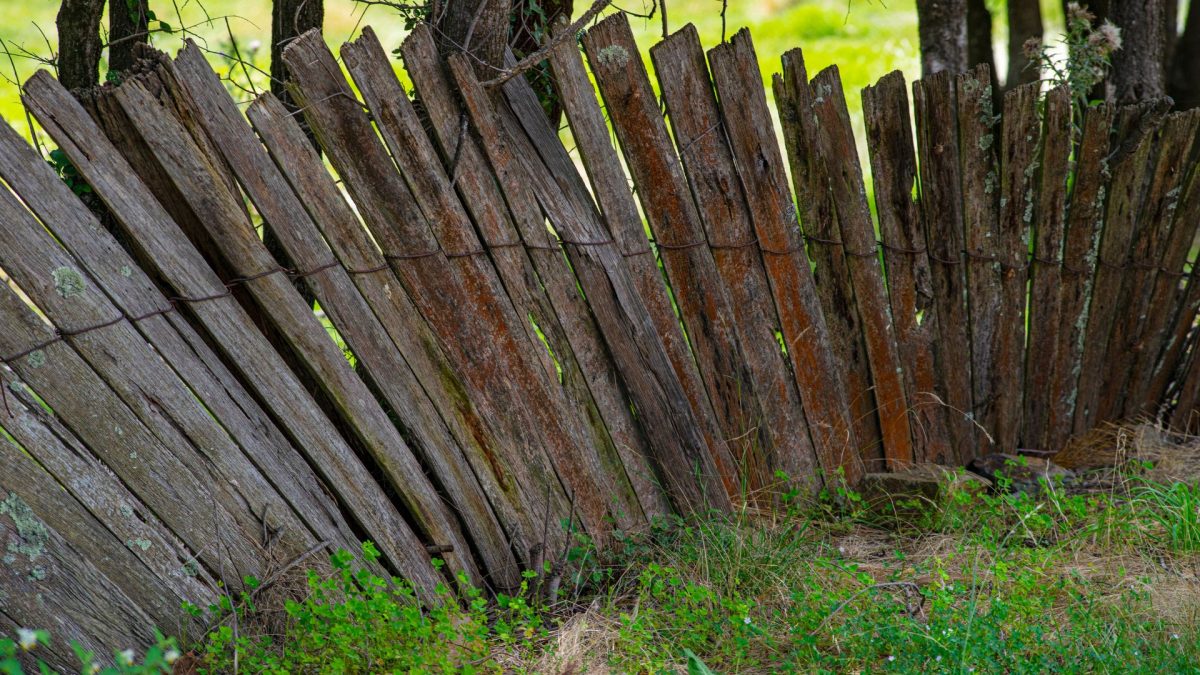
Before diving into the physical task of taking down a fence, it’s crucial to evaluate its condition and layout. Understanding the materials involved, whether wood, chain-link, or composite, will determine the tools and protective measures required. Safety considerations should guide every decision, as old fencing can have rusted nails, splintered wood, or unstable posts. Taking time to plan helps reduce the risk of injury and ensures the process is efficient. Mapping out the sequence of removal, from gates to corner posts, can prevent unexpected obstacles during dismantling.
Additionally, considering the surrounding landscape is essential. Avoiding damage to nearby plants, patios, or driveways protects your property from accidental harm. Clearing the area of debris, rocks, or garden furniture creates a safe workspace. The planning phase also includes preparing a disposal strategy for removed materials. By knowing in advance where the fencing will go—whether recycled, donated, or disposed of legally—you eliminate last-minute stress. Investing time in this initial assessment ensures that the removal process remains smooth, safe, and organized, setting a strong foundation for the work ahead.
Gathering the Right Tools and Safety Equipment
Proper equipment significantly influences both the safety and efficiency of fence removal. Tools such as post pullers, crowbars, sledgehammers, and reciprocating saws make dismantling easier, especially for older or larger fences. Protective gear like gloves, safety goggles, and sturdy boots reduces the risk of injuries from sharp edges, splintered wood, or metal. For chain-link fencing, bolt cutters and pliers are essential for detaching wires and fasteners safely. Investing in the right tools is not merely about convenience but about ensuring a controlled process that minimizes accidents.
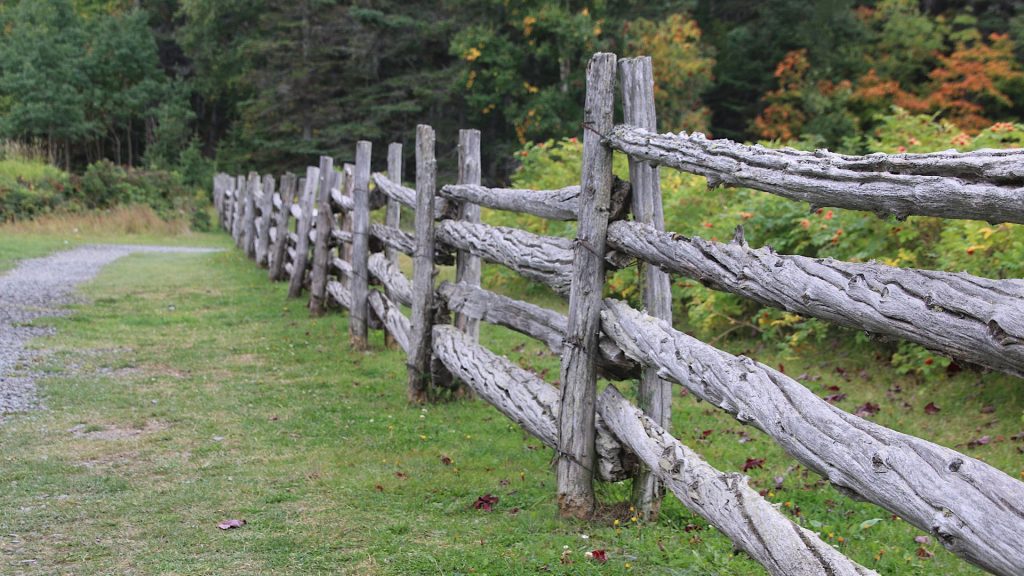
Preparation also involves organizing tools so they are easily accessible. Having a designated spot for each item reduces time spent searching during work and prevents tripping hazards. Safety measures include checking the stability of posts before pulling them and using proper lifting techniques to avoid back strain. Awareness of surroundings, such as overhead power lines or uneven terrain, is vital. By equipping yourself appropriately and following safety protocols, you not only protect yourself but also enhance the pace and effectiveness of fence removal.
Removing Fence Panels and Posts Step by Step
Starting with the panels before addressing the posts is generally the safest approach. Begin by detaching hardware, such as screws or nails, that connect panels to posts. For wood fences, a pry bar or hammer helps lift panels from their slots without causing excessive splintering. Chain-link panels require loosening the tension on wires before removal to prevent sudden snaps. Removing the panels first gives better access to posts, allowing you to focus on extracting them without obstruction.
Post removal can be more challenging, particularly if the posts are set in concrete. A post puller or digging around the base to loosen soil is often necessary. Careful leverage and steady pressure prevent posts from breaking unpredictably, which could cause injury or property damage. After extracting posts, filling the resulting holes maintains landscape integrity. Methodically handling panels and posts reduces the risk of damage to reusable materials and ensures the entire structure is removed efficiently and safely.
Sorting Materials for Disposal or Recycling
Once the fence is dismantled, categorizing materials streamlines the disposal process. Wood, metal, and composite materials may require different handling approaches. Untreated wood can often be repurposed or chipped for mulch, while metal components are typically recyclable. Separating materials at this stage not only speeds up disposal but also encourages environmentally responsible practices. Keeping items organized reduces clutter, making it easier to transport materials safely to their next destination.
Considering the potential for reuse adds value to your removal project. Wooden panels in good condition might be donated or sold, while metal posts can be melted down and recycled. Composite materials, depending on local regulations, may need specialized handling. Proper sorting minimizes landfill waste and aligns with sustainable disposal practices. By thinking ahead about the fate of each material, you create a more efficient and environmentally conscious process that benefits both your property and the wider community.
Handling Hazardous Materials Carefully
Old fences sometimes contain materials that require special attention, such as treated wood, lead-based paint, or rusted metal. Handling these materials incorrectly can pose health risks or environmental hazards. Protective gloves and masks are essential when dealing with these substances, and local regulations should guide disposal. Understanding which materials are hazardous ensures you can take the correct precautions and avoid fines or contamination.
Awareness of these hazards also includes considering nails, screws, and sharp edges. Removing these items carefully prevents injuries during transport and disposal. For treated wood, recycling centers often have specific guidelines for disposal. By following proper handling techniques and local regulations, you protect yourself, others, and the environment. This careful approach ensures that fence removal is not only efficient but also responsible and safe.
Transporting Materials Safely
Once sorted, transporting fence materials safely is critical. Loading materials evenly and securing them prevents shifting during transit, which could lead to accidents. Using wheelbarrows, carts, or trucks helps move heavy posts and panels efficiently. For larger pieces, enlisting a second person ensures safe lifting and handling. Proper transport techniques protect both the materials and anyone involved in the process.
Planning your route to the disposal or recycling site also matters. Avoiding obstacles, sharp turns, or steep inclines reduces the likelihood of accidents. Covering materials to prevent debris from scattering is important, especially when moving metal parts that could scratch or damage vehicles. By taking transport seriously, you maintain safety, protect property, and prepare materials for their final disposal or recycling destination efficiently.
Choosing the Right Disposal Options
Selecting the proper disposal option ensures compliance with local regulations and supports environmental sustainability. Many municipalities have specific rules regarding the disposal of construction debris, treated wood, or metal fencing. Researching these regulations before starting the removal process avoids fines and ensures legal compliance. Disposal can involve landfill drop-offs, recycling centers, or donation of reusable materials.
Considering the ecological impact of each disposal option is equally important. Recycling metals and donating wood reduces landfill contributions and supports community initiatives. Some areas offer pickup services for large items, simplifying the process. Choosing the right method minimizes environmental impact while streamlining the removal process. Thoughtful disposal choices reflect a responsible approach to managing old fencing materials.
Preventing Property Damage During Removal
Fence removal can inadvertently harm lawns, gardens, or paved areas if not executed carefully. Protecting these surfaces requires planning and precautionary measures. Laying protective coverings over delicate areas and using proper tools helps avoid gouges, scratches, or soil disruption. Being mindful of landscaping preserves the aesthetic and functional integrity of your property.
Additionally, working slowly and methodically reduces the chance of accidental damage. Using leverage instead of force, monitoring the direction of falling posts or panels, and maintaining clear paths for movement prevent unintentional harm. Taking these steps ensures that while the fence is removed, your property remains intact and ready for new installations or landscaping projects.
Recycling and Donating Usable Fence Materials
Salvaging parts of an old fence can provide valuable resources for other projects. Usable wood, metal, or composite materials may be repurposed for garden structures, furniture, or art projects. Donating intact sections to community organizations or local builders extends the life of materials and promotes sustainability. Such practices reduce waste while supporting creative reuse within the community.
Recycling centers often accept metals and treated wood for proper processing, helping minimize environmental impact. Even smaller components like screws, brackets, and bolts can be saved for future use. By prioritizing recycling and donation, fence removal becomes an opportunity to contribute positively to the environment and community while efficiently clearing your property.
Maintaining Safety and Cleanliness Throughout the Process
Maintaining a tidy workspace reduces the risk of accidents and makes the process more efficient. Collecting debris promptly, keeping tools organized, and ensuring clear walkways prevents tripping hazards. Regularly inspecting equipment for wear or damage also enhances safety. Cleanliness and order promote both physical safety and a sense of accomplishment as the project progresses.
Safety should remain a priority from start to finish. Wearing appropriate protective gear, monitoring environmental conditions, and adhering to safe lifting techniques reduce injury risks. A disciplined approach to workspace management, combined with consistent attention to safety, ensures that fence removal proceeds smoothly and without incident, leaving your property ready for its next chapter.
Conclusion
Safely removing and disposing of old fencing requires careful planning, proper tools, and a commitment to responsible handling. Evaluating the fence, sorting materials, and following step-by-step removal techniques reduce risks and ensure efficiency. Choosing proper disposal methods and maintaining a clean, safe workspace further supports a smooth process. Whether considering recycling, donation, or landfill disposal, thoughtful management of materials aligns with sustainable practices and protects both your property and the environment.
For residents and businesses in Palatine, IL, 24-7 Junk Removal provides expert Junk Removal services to handle old fencing with professionalism and care. Their experienced team ensures safe, efficient removal and proper disposal of all materials. Contact 24-7 Junk Removal at (773) 309-6966 or visit them at 611 W. Wise Schaumburg, IL 60193 for reliable support with your fencing removal project. They also offer assistance through email at support@24-7junk.com, making it easy to schedule services and receive guidance on responsible disposal.