

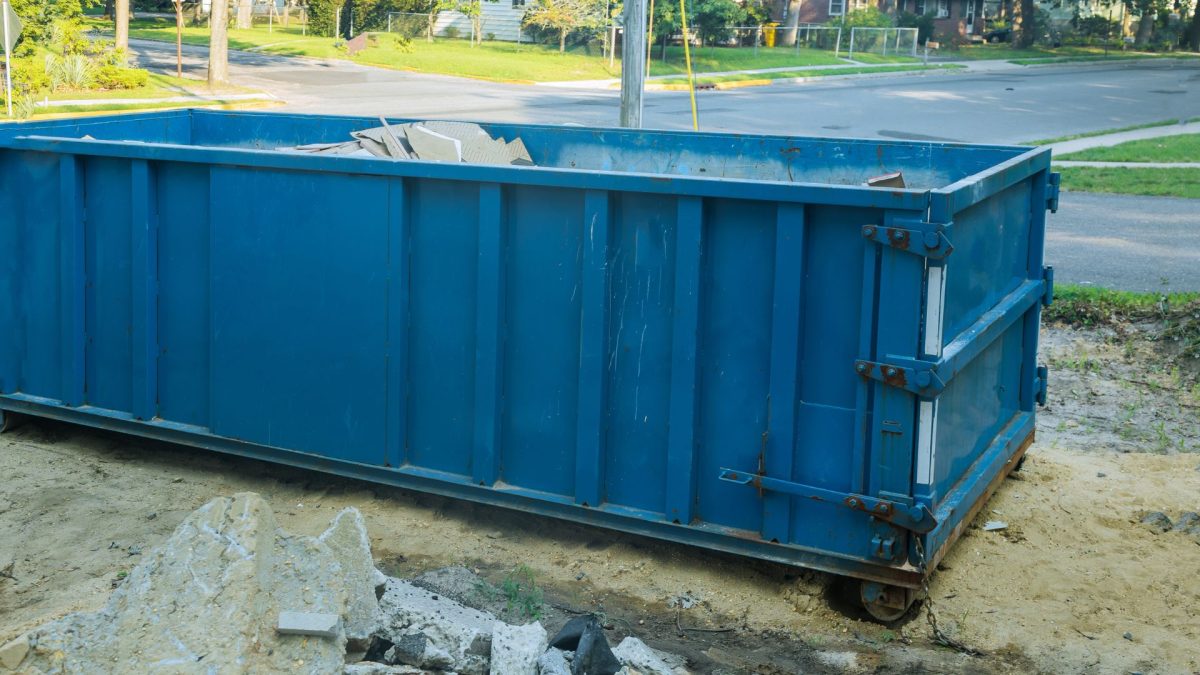
Dumpster overflow often sneaks up quietly until it becomes an unsightly and hazardous situation. Observing the signs early, such as trash spilling over the edges, odors drifting from the container, or increased pest activity, allows property managers and business owners to address the problem proactively. Waiting until waste has piled excessively can complicate removal, increasing costs and potential liability. Understanding these indicators ensures you maintain a safe and clean environment for both employees and visitors.
Identifying the root cause of overflow is equally important. Overflow can result from underestimating waste volume, inconsistent pickup schedules, or sudden spikes in disposal needs during events or construction projects. By closely monitoring dumpster usage and maintaining communication with waste management providers, you can adjust strategies before problems escalate. Establishing a habit of regular inspections and accurate forecasting helps reduce surprises and streamlines cleanup efforts, making the process more efficient and less stressful.
Assessing Safety Hazards
Overflowing dumpsters present various safety risks that require immediate attention. Sharp objects, broken glass, or protruding nails can cause injuries to anyone attempting to handle excess waste. Additionally, overfilled containers may destabilize, leading to tipping hazards or accidental spillage onto surrounding property. A proper assessment of these dangers before starting cleanup prevents accidents and ensures the well-being of personnel involved.
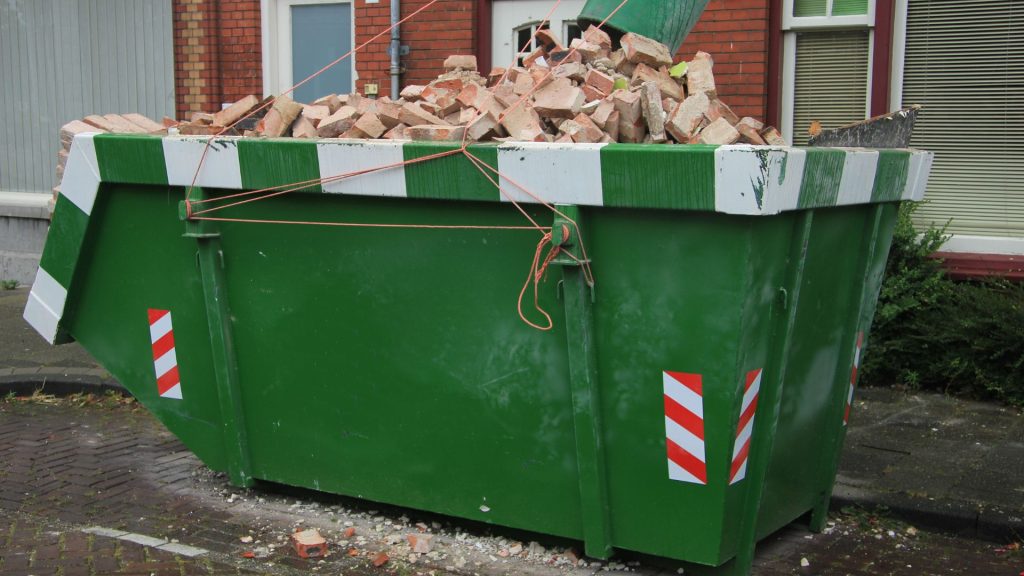
Safety also extends to environmental considerations. Leaking liquids or improperly discarded chemicals can contaminate the surrounding area, attracting pests and creating health hazards. Taking precautions, such as wearing protective gloves, sturdy footwear, and using proper lifting techniques, minimizes risk. Implementing temporary barriers or warning signs during cleanup can alert others to the potential danger, reducing liability and creating a safer working environment for everyone.
Sorting Waste for Effective Cleanup
Tackling a dumpster overflow efficiently requires careful sorting of the waste. Separating recyclables, hazardous materials, organic matter, and general trash makes disposal more manageable and ensures compliance with local regulations. By categorizing items before removal, you can prevent delays and reduce the risk of contamination. This approach also promotes environmental responsibility, as recyclables and reusable items are diverted from landfills whenever possible.
Sorting also improves efficiency during transport. Grouping similar items together streamlines the work for hauling services, as they can handle bulk materials without repeatedly adjusting their process. For larger operations, establishing a sorting protocol ensures consistency and minimizes confusion among team members. In the long run, organized waste management reduces cleanup time, enhances safety, and supports sustainability goals, turning an otherwise chaotic overflow situation into a systematic and manageable process.
Choosing the Right Equipment
Having the correct equipment on hand is essential for handling a dumpster overflow effectively. Tools such as shovels, rakes, wheelbarrows, and protective gear can make the difference between a quick, safe cleanup and a prolonged, hazardous struggle. For larger commercial sites, mechanized assistance like forklifts or small loaders might be necessary to move heavy or bulky debris safely. Investing in the right equipment ensures the job is done efficiently and minimizes physical strain on the team.
Additionally, proper containment solutions can prevent further overflow during the cleanup process. Temporary bins, tarps, or extra dumpsters provide space to manage excess waste and keep the surrounding area tidy. Ensuring equipment is clean, functional, and ready before starting reduces downtime and improves the overall workflow. By prioritizing tools and safety measures, cleanup crews can work faster, safer, and more systematically, preventing minor overflows from escalating into major logistical challenges.
Scheduling Timely Waste Removal
Regularly scheduled waste removal plays a crucial role in preventing dumpster overflow. Setting pickup frequencies that align with the volume of waste generated reduces the likelihood of spillage and maintains a visually appealing property. For businesses with fluctuating waste needs, it may be necessary to adjust schedules seasonally or during peak activity periods. Staying proactive about removal prevents backlogs and eliminates last-minute scrambles to manage excess trash.
Timely waste removal also helps control costs. Frequent pickups might seem more expensive initially, but they reduce the potential for overage fees, fines, and damages caused by overflow incidents. Establishing reliable communication with waste management services ensures containers are emptied as needed, supporting a smooth, uninterrupted operation. This forward-thinking approach avoids emergencies, maintains compliance with municipal regulations, and fosters a clean, professional environment for both employees and customers.
Utilizing Professional Services
Engaging professional junk removal services can simplify the challenges of dumpster overflow. Experts have the experience, equipment, and workforce to manage excessive waste quickly and safely. They can handle large volumes, bulky items, and even hazardous materials, freeing property owners from the physical and logistical burden of cleanup. By relying on trained professionals, you reduce the risk of injury and ensure proper disposal methods are followed.
Professional services also bring a level of organization that is difficult to replicate in-house. Teams can sort, lift, and transport waste with efficiency, minimizing disruption to normal operations. Many companies also offer environmentally responsible disposal, including recycling and donations, which supports sustainability initiatives. Partnering with experts provides peace of mind, knowing that dumpster overflow will be addressed responsibly, efficiently, and in accordance with local regulations.
Managing Odor and Hygiene Concerns
Overflowing dumpsters often emit unpleasant odors and can become breeding grounds for bacteria, pests, and insects. Addressing hygiene during cleanup is crucial for health and comfort. Using disinfectants, deodorizing agents, and protective gear helps maintain sanitary conditions while minimizing the risk of contamination. Regular maintenance and odor control measures keep the surrounding area clean and safe for employees and visitors alike.
Hygiene extends beyond immediate cleanup. Properly sealing bags, lining dumpsters with protective materials, and ensuring prompt waste removal prevents lingering odors and reduces pest attraction. Additionally, encouraging staff to follow hygiene protocols, such as handwashing and wearing gloves, protects everyone involved. By prioritizing cleanliness and sanitation, overflow management becomes a controlled process rather than a health hazard, maintaining both safety and professionalism on the property.
Handling Hazardous Materials
Not all waste is created equal, and hazardous materials require specialized care. Items such as batteries, chemicals, paints, and certain electronics cannot be discarded with regular trash. Mishandling these materials can pose serious health and environmental risks, as well as legal consequences. Proper identification, containment, and disposal according to local regulations are essential components of a responsible cleanup strategy.
Segregating hazardous items from general waste ensures safety for all involved in the cleanup process. Professionals may provide specialized services for disposal or recycling of dangerous materials, reducing liability and ensuring compliance. Proper labeling and storage prevent accidental exposure, while careful transport to certified disposal facilities safeguards the environment. Addressing hazardous waste responsibly is critical for maintaining a safe property and protecting the community from potential harm.
Preventing Future Overflow
Once a cleanup is complete, it’s important to implement strategies to prevent future dumpster overflow. Regular monitoring of waste volume, adjusting container sizes, and optimizing pickup schedules are effective measures. Educating staff about proper disposal practices and reinforcing adherence to recycling programs further reduces the risk of overflow. Proactive planning ensures a clutter-free property and mitigates the stress associated with unmanaged waste.
Another preventive measure involves evaluating alternative disposal solutions. Using temporary dumpsters for high-volume events, designating separate containers for recyclables, and scheduling periodic deep cleanouts can maintain a controlled environment. Consistent oversight and open communication with waste management providers create a sustainable approach to waste handling. By incorporating these strategies, property owners can maintain orderly waste management systems that are resilient to sudden surges in trash volume.
Cost-Effective Cleanup Strategies
Managing dumpster overflow doesn’t have to break the budget. Employing cost-effective strategies such as rental of temporary bins, utilizing professional services for large items, and encouraging in-house sorting of recyclable materials can reduce overall expenses. Evaluating the waste stream and identifying opportunities to minimize bulk can also lead to long-term savings. Strategic planning enables cleanup without sacrificing efficiency or safety.
Budget-conscious approaches also include negotiating flexible service contracts with waste management providers. Adjusting pickup schedules based on seasonal trends or high-volume events ensures that fees align with actual needs. Combining these strategies with careful oversight of daily waste generation promotes sustainable financial management. Balancing cost-effectiveness with safety and compliance ensures that overflow cleanup remains practical, efficient, and environmentally responsible for any property owner or manager.
Conclusion
Effectively handling dumpster overflow requires a combination of foresight, organization, and appropriate resources. Recognizing early warning signs, assessing safety risks, and sorting waste carefully are essential first steps. Equipping your team with the right tools, maintaining timely waste removal schedules, and considering professional assistance can simplify the process significantly. Prioritizing hygiene, addressing hazardous materials, and implementing preventive measures further enhance efficiency while minimizing potential risks.
For residents and businesses in Palatine, IL seeking reliable solutions, 24-7 Junk Removal offers professional junk removal services tailored to manage any overflow situation safely and efficiently. Their team is equipped to handle residential and commercial waste, providing environmentally responsible disposal practices. Contact them at (773) 309-6966 or visit their office at 611 W. Wise Schaumburg, IL 60193 to schedule prompt and professional junk removal services. Email support@24-7junk.com for inquiries and experience a streamlined cleanup process that protects both your property and the environment.