

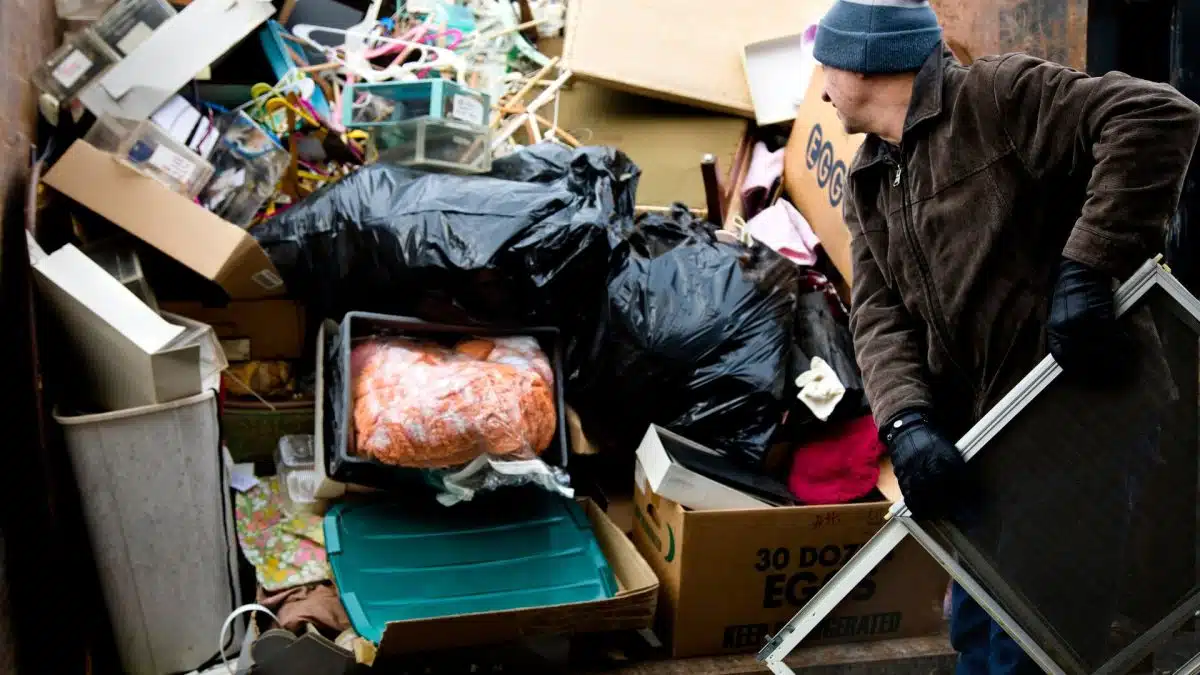
Scrap metal recycling plays a pivotal role in conserving natural resources. By diverting metal from landfills and reintroducing it into the production cycle, we reduce the need for intensive mining operations that deplete the earth’s reserves. Steel, aluminum, copper, and other metals require significant energy to extract, process, and refine. Recycling helps alleviate this burden by providing manufacturers with a sustainable alternative that lessens environmental strain. The energy savings alone can be dramatic, with recycled aluminum using up to 95 percent less energy than producing new aluminum from bauxite. This reduction not only preserves natural landscapes but also minimizes greenhouse gas emissions associated with mining activities.
Moreover, scrap metal recycling encourages a more responsible approach to consumption. Individuals and businesses alike are empowered to view metal waste not as trash, but as a valuable resource that can re-enter the supply chain. This mindset shift fuels innovation, pushing industries to explore ways of designing products with recyclability in mind. By reducing dependency on raw material extraction, recycling fosters a more resilient economy that aligns with long-term sustainability goals, demonstrating the tangible benefits of circular practices in everyday industrial operations.
Minimizing Environmental Impact
Recycling scrap metal significantly mitigates environmental damage. Traditional metal production generates harmful byproducts, including toxic chemicals, tailings, and air pollutants that contaminate soil and water. By reprocessing metal waste instead of extracting new ore, these negative impacts are substantially reduced. This approach directly supports ecosystem preservation and safeguards human health, as fewer pollutants are released into the atmosphere and water systems. Additionally, scrap metal recycling lowers energy consumption compared to smelting virgin metals, which contributes to reducing the carbon footprint of manufacturing processes.
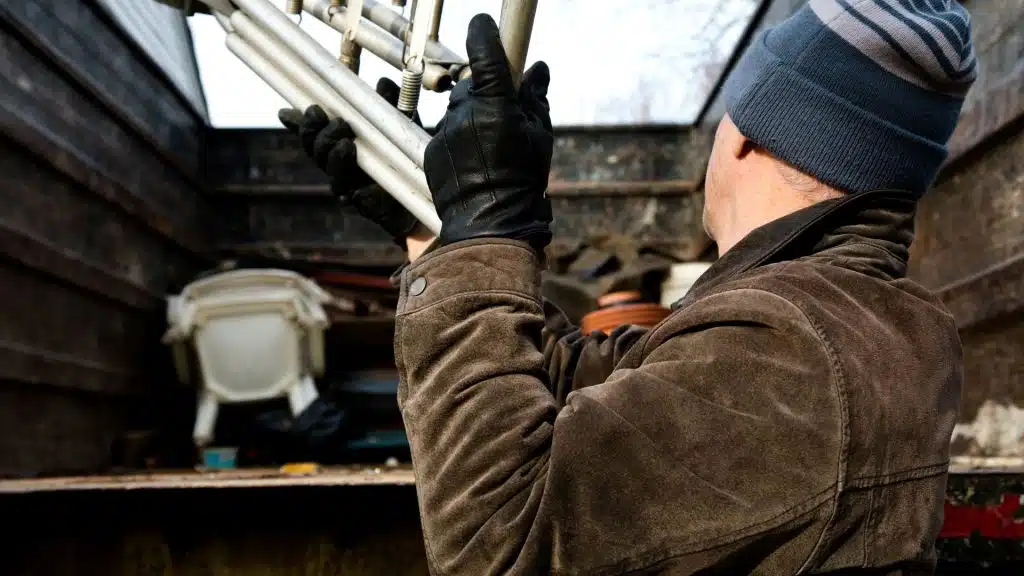
Beyond energy and pollution reductions, scrap metal recycling also decreases the amount of waste sent to landfills. Metal waste occupies valuable landfill space and can take decades, if not centuries, to decompose. By diverting metal scraps, the burden on waste management systems is lessened, allowing them to focus on non-recyclable or organic waste more efficiently. This practice not only extends the lifespan of landfills but also promotes cleaner communities, reinforcing the environmental, social, and economic pillars of a circular economy.
Promoting Economic Benefits and Job Creation
Scrap metal recycling is a key driver of economic growth and job creation. The recycling sector encompasses collection, sorting, processing, and resale of metals, providing employment opportunities at every stage of the supply chain. From local collection centers to large-scale industrial facilities, workers gain skills that support both environmental stewardship and economic resilience. Furthermore, recycled metal often costs less than newly mined materials, offering manufacturers a competitive advantage that can lead to cost savings and increased production efficiency.
Economic benefits extend beyond the industry itself. Communities hosting recycling facilities can experience a boost in local commerce, as ancillary services such as transportation, equipment maintenance, and sales support the sector. Additionally, the export of high-quality recycled metals contributes to global trade, creating further financial opportunities. By integrating scrap metal recycling into the economic framework, we stimulate innovation, enhance industrial competitiveness, and create sustainable employment pathways, making recycling a cornerstone of circular economic development.
Extending Product Lifecycles
One of the defining aspects of a circular economy is the ability to extend product lifecycles, and scrap metal recycling is central to this effort. Metals recovered from discarded products can be reprocessed into new components, allowing items to have multiple generations of use before reaching the end of their functional life. For instance, aluminum cans and steel beams can be melted down and repurposed repeatedly without losing structural integrity, which reduces the need for continual raw material extraction.
Extending the lifecycle of products through metal recycling also encourages more thoughtful manufacturing. Companies are incentivized to design products that are easier to dismantle, sort, and recycle, leading to innovations in modular construction, repairable electronics, and sustainable packaging. This system not only saves resources but also cultivates a culture of durability and reuse, aligning consumer habits with circular economy principles and fostering a more sustainable future.
Reducing Greenhouse Gas Emissions
The recycling of scrap metal has a direct impact on reducing greenhouse gas emissions. Producing metals from virgin ores requires energy-intensive processes that release substantial quantities of carbon dioxide and other greenhouse gases. By substituting recycled metal for raw materials, energy consumption is drastically lowered, which in turn diminishes emissions associated with industrial production. This reduction is particularly significant for metals like aluminum and steel, whose traditional manufacturing processes are highly carbon-intensive.
Lowering emissions contributes to climate change mitigation and helps industries align with increasingly stringent environmental regulations. Companies that prioritize recycled materials demonstrate corporate responsibility while actively participating in a more sustainable production model. By incorporating scrap metal recycling into everyday practices, both businesses and individuals help reduce the carbon footprint of material production, reinforcing the essential role recycling plays in a circular economy and a cleaner planet.
Encouraging Industrial Innovation
Scrap metal recycling encourages innovation across multiple industrial sectors. Recycling operations require advanced technologies to sort, clean, and reprocess metals efficiently, prompting the development of state-of-the-art machinery and systems. Innovations such as automated sorting lines, sensor-based separation, and high-efficiency smelting techniques not only improve recycling rates but also set benchmarks for sustainable manufacturing practices. This technology-driven approach accelerates the adoption of environmentally friendly solutions across related industries.
Moreover, industrial innovation extends beyond machinery. Companies increasingly explore circular product designs that simplify future recycling, such as reducing composite materials or designing modular assemblies. These forward-thinking strategies reduce waste, optimize material flows, and enhance overall sustainability. By prioritizing scrap metal recycling, industries are incentivized to continually refine production methods, creating a feedback loop that strengthens the circular economy and inspires broader eco-conscious advancements.
Supporting Local Communities
Recycling scrap metal contributes to the well-being of local communities in numerous ways. Collection centers and recycling facilities often collaborate with municipal programs, creating accessible avenues for residents to dispose of metal responsibly. This fosters civic engagement and encourages environmentally conscious behavior, while also reducing illegal dumping that can harm neighborhoods. Local employment opportunities generated by recycling operations further support community economic development.
In addition, responsibly managed recycling programs can fund community initiatives, such as educational campaigns about sustainability or investments in public infrastructure. By creating a tangible link between recycling activities and communal benefits, the practice strengthens social cohesion and empowers residents to take active roles in environmental stewardship. Scrap metal recycling thus becomes not only an ecological solution but also a means of enhancing community vitality and resilience.
Conserving Energy Across Supply Chains
Energy conservation is a critical advantage of scrap metal recycling, impacting the entire supply chain. Manufacturing new products from recycled metal consumes far less energy than producing items from virgin materials. This reduction in energy usage extends through transportation, processing, and fabrication stages, effectively lowering operational costs and minimizing environmental impacts. Companies that integrate recycled metals into their supply chains achieve both economic efficiency and sustainability.
Additionally, energy savings from recycling reduce dependency on nonrenewable energy sources and mitigate energy-related emissions. This contributes to a more sustainable and resilient industrial ecosystem, where resource consumption is optimized, and environmental footprints are minimized. By embedding energy-conscious practices into supply chains, scrap metal recycling exemplifies the practical benefits of circular economy principles and underscores the importance of systemic resource efficiency.
Reducing Landfill Pressure
One of the most immediate effects of scrap metal recycling is the alleviation of landfill pressure. Metals take up substantial space in waste management facilities and do not decompose easily, posing long-term challenges for municipal systems. By diverting metal waste into recycling streams, the volume of landfill-bound material is significantly reduced. This approach preserves valuable land, extends the lifespan of existing facilities, and supports more effective waste management strategies.
Furthermore, reducing landfill use has additional environmental benefits. It minimizes the potential for soil and groundwater contamination, decreases methane emissions from mixed waste, and promotes cleaner urban spaces. The practice also encourages society to value waste as a resource, reinforcing the principles of reuse, reduction, and recycling that are central to a circular economy. By addressing landfill limitations, scrap metal recycling contributes to both environmental and urban sustainability.
Creating a Sustainable Future Through Circular Practices
Ultimately, scrap metal recycling is a critical component in building a sustainable future. By integrating recycled metals into production cycles, conserving energy, and reducing greenhouse gas emissions, we actively support the shift from a linear “take-make-dispose” model to a regenerative circular system. This transformation encourages industries, communities, and individuals to rethink material use and adopt long-term sustainability strategies that prioritize environmental responsibility.
The cumulative impact of recycling extends beyond ecological benefits. It fosters economic growth, industrial innovation, community well-being, and a culture of resource consciousness. Each piece of metal reclaimed represents a step toward a resilient, efficient, and environmentally friendly society. Embracing scrap metal recycling as a core practice enables a seamless alignment of industrial processes with circular economy principles, ensuring that valuable resources are continually repurposed and the planet is safeguarded for future generations.
Conclusion
Scrap metal recycling exemplifies how practical actions can drive significant environmental and economic benefits. By participating in the recovery and repurposing of metals, we reduce resource extraction, lower emissions, conserve energy, and relieve the strain on landfills. These efforts collectively support the principles of a circular economy, where materials are kept in use for as long as possible. For those seeking professional assistance in managing metal and other junk, 24-7 Junk Removal in Palatine, IL provides comprehensive services designed to handle waste responsibly and sustainably. Their team ensures efficient junk removal while prioritizing recycling, helping communities minimize environmental impact. Contact 24-7 Junk Removal at (773) 309-6966 or visit 611 W. Wise Schaumburg, IL 60193 to schedule services or request more information about their eco-friendly approach to junk removal.