

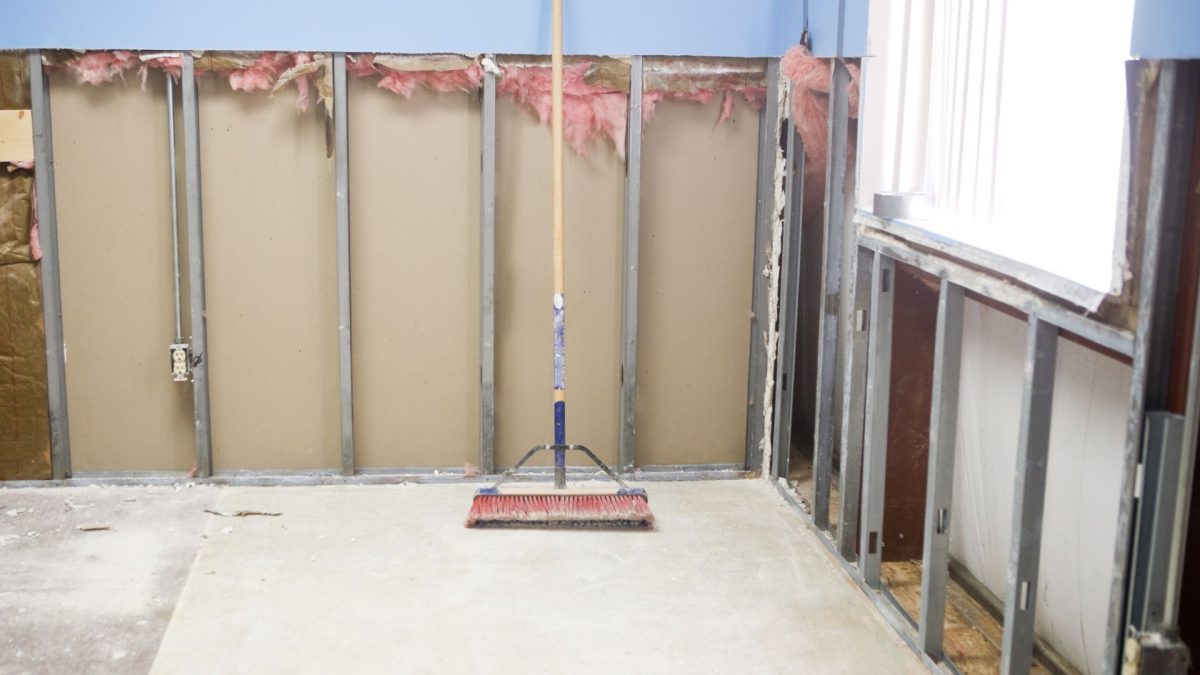
Drywall, though seemingly harmless, can present serious hazards during removal. Dust particles can easily irritate eyes, skin, and lungs, making protective gear essential. Gloves, goggles, and respirators are non-negotiable to prevent health complications. Additionally, drywall often contains metal studs, nails, or screws that can cause cuts or punctures if handled carelessly. Ensuring your workspace is clear of obstacles and well-ventilated helps reduce accidental injuries and exposure to harmful dust.
Removing drywall without assessing the environment can also lead to structural or electrical damage. Walls might conceal wiring or plumbing, and aggressive tearing can disrupt these systems. Carefully checking behind walls before demolition is crucial. Marking off areas to avoid and planning your removal approach minimizes potential damage. Small sections should be tackled first, creating a manageable process while maintaining safety standards. Patience and preparation are more valuable than speed, as rushing increases the likelihood of accidents.
Tools Needed for Safe Drywall Removal
Successful drywall removal requires specific tools to make the task efficient and safe. A sturdy utility knife, pry bar, and hammer are foundational for cutting and pulling drywall away from studs. A reciprocating saw can be helpful for larger sections, but should be handled with care due to its power. Dust containment tools like plastic sheeting and heavy-duty trash bags prevent debris from spreading to other areas of your home. The right equipment ensures you can perform the task without unnecessary strain or risk.
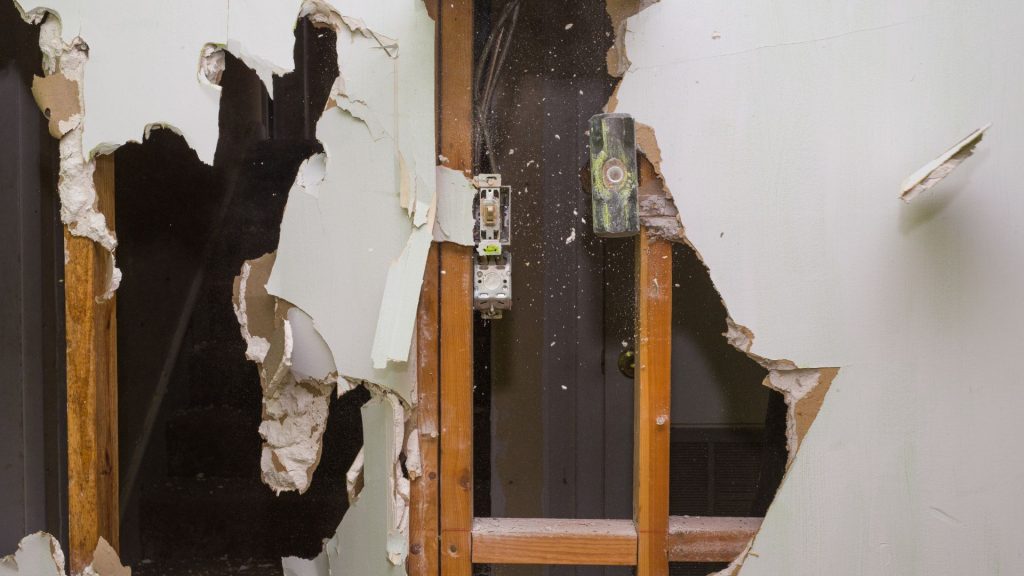
Organizing your tools before beginning also supports a smooth workflow. Keep frequently used tools within reach while separating sharp or heavy instruments to avoid accidental injuries. Maintaining a clean, clutter-free workspace reduces trips or falls and allows for quicker cleanup once removal is complete. Safety extends beyond the individual; it protects your household from exposure to dust and potential hazards lurking in drywall materials.
Preparing the Space Before Removal
Preparation is a crucial step that is often underestimated. Begin by removing furniture, decorations, and other items from the work area to prevent damage or contamination with dust. Cover floors and non-removable fixtures with plastic or drop cloths. Sealing off adjoining rooms with temporary barriers keeps dust confined and reduces the risk of spreading to unaffected areas. Adequate lighting also ensures visibility, minimizing mistakes during demolition.
Understanding the layout and potential obstacles before cutting into drywall improves efficiency. Identify load-bearing walls, electrical lines, and plumbing to avoid costly mistakes. Planning the disposal path for removed drywall reduces the chance of injury while transporting heavy sheets. By investing time in preparation, the removal process becomes safer and more structured, helping you maintain control and minimize hazards throughout the project.
Techniques for Removing Drywall Efficiently
The method used for drywall removal significantly impacts both safety and speed. Cutting along seams or joints allows the panels to detach more easily without excessive force. For smaller areas, scoring and breaking the drywall into manageable pieces is effective. Utilizing a pry bar carefully to lift sheets away from studs prevents sudden shifts that can lead to injury. Gradual, controlled movements are preferable to aggressive tearing.
Working systematically from the top down can also help control debris. Removing smaller sections first reduces the risk of large panels falling unexpectedly. Keeping tools organized and hands clear of potential pinch points enhances overall safety. Each piece removed should be stacked neatly in a designated area, making disposal more straightforward and reducing tripping hazards. Proper technique ensures the work is accomplished efficiently while maintaining safety standards.
Handling Dust and Debris During Removal
Drywall dust can be a pervasive nuisance and a health risk. Using plastic sheeting and tarps to create containment zones reduces its spread. A high-quality vacuum equipped with a HEPA filter helps capture fine particles, protecting both your respiratory system and your home’s interior. Wearing a respirator mask throughout the process is non-negotiable for anyone involved in demolition.
Proper disposal of debris is equally critical. Collecting broken drywall pieces promptly and avoiding overfilling trash bags reduces accidental spillage. Segregating materials from other household waste ensures smoother recycling or disposal later. Maintaining cleanliness during removal prevents slips, trips, and falls, contributing to a safer environment. Careful dust and debris management protects not just your health but also the overall cleanliness and functionality of the home.
Disposing of Drywall Responsibly
Drywall disposal requires attention to environmental regulations and local guidelines. Many municipalities prohibit dumping drywall in regular trash due to its chemical composition and potential to release dust and gases. Recycling is a viable option in many areas, as broken-down drywall can be repurposed into new construction materials. Contacting local facilities beforehand ensures compliance and reduces environmental impact.
Proper packaging is another important step. Breaking drywall into manageable pieces allows easier transport while reducing risk of injury. Heavy-duty bags or containers prevent dust leakage during transit. When hiring disposal services, ensure they follow responsible recycling practices. This approach not only protects the environment but also helps maintain safety standards throughout the removal process, ensuring the project ends on a responsible note.
Addressing Structural Concerns
Removing drywall can expose hidden structural vulnerabilities. Load-bearing walls require careful attention, as removing material without proper support can compromise stability. Consulting a professional when in doubt safeguards against accidental collapses. Checking studs, beams, and joists before full-scale removal prevents costly damage and ensures continued safety.
Even non-load-bearing walls can contain pipes, wiring, or insulation that require careful handling. Avoiding abrupt impacts and using gradual prying techniques reduces risk of damaging these hidden systems. Awareness and vigilance during removal protect your property from long-term damage and maintain structural integrity while allowing safe and effective demolition.
Protecting Yourself with Safety Gear
Safety gear is more than a precaution; it’s essential. Respirators, goggles, gloves, and long-sleeved clothing create barriers against dust, sharp edges, and irritants. Proper footwear with steel toes guards against heavy drywall panels accidentally falling on your feet. Even simple items like knee pads or elbow guards can prevent minor injuries when kneeling or leaning during removal.
Consistent use of protective gear encourages a safety-first mindset. Preparing for potential hazards before each task minimizes the risk of accidents. Regularly inspecting equipment for wear and replacing compromised items ensures ongoing protection. Prioritizing personal safety not only reduces immediate injuries but also helps prevent long-term health problems caused by drywall dust and debris.
Working with Professional Services
Engaging professional services for drywall removal can streamline the process. Experienced teams bring knowledge, equipment, and efficiency that minimizes risk and ensures proper disposal. They can identify structural concerns, handle heavy lifting, and manage debris responsibly. Hiring experts also reduces physical strain and allows homeowners to focus on other renovation tasks safely.
Professionals often offer eco-friendly disposal and recycling options. By outsourcing to trained teams, you gain peace of mind that safety protocols are strictly followed, and that the project is completed efficiently. Professional involvement ensures that both health and environmental standards are met, providing a stress-free experience while maintaining your home’s integrity.
Scheduling Cleanup and Post-Removal Steps
After drywall removal, thorough cleanup is essential to restore a safe living environment. Vacuuming with HEPA filters, wiping surfaces, and disposing of leftover debris prevents lingering dust hazards. Inspecting walls and floors for damage allows early intervention, avoiding long-term issues. Organizing the space for upcoming renovations improves workflow and efficiency.
Scheduling a final inspection or walkthrough can reveal areas needing attention. Removing all remnants of drywall ensures a clean slate for painting, new installations, or other remodeling tasks. Completing cleanup responsibly maintains both safety and aesthetic standards, preparing the home for the next phase of improvement.
Conclusion
Handling drywall removal and disposal safely requires planning, the right equipment, and awareness of potential hazards. Protective gear, careful techniques, and organized workflows significantly reduce risks associated with dust, debris, and structural concerns. Proper disposal and recycling further ensure environmental responsibility, creating a safer and cleaner space for ongoing renovations. When executed thoughtfully, drywall removal becomes a manageable, efficient, and secure process that minimizes injuries and protects your home’s integrity.
For homeowners in Palatine, IL, 24-7 Junk Removal provides professional assistance for drywall and other debris removal. Their team ensures safe, responsible, and efficient handling of unwanted materials. Contact 24-7 Junk Removal at (773) 309-6966 to schedule services or consultations. Their office at 611 W. Wise Schaumburg, IL 60193 offers comprehensive junk removal solutions, making renovation cleanup seamless and stress-free. For inquiries, email support@24-7junk.com to connect with their knowledgeable staff who can guide you through disposal options and help maintain a safe, clean environment during your project.